





















Zero-click searches are reshaping the SEO landscape. As search engines become smarter, more users are getting answers directly on the results page without visiting any website.
For businesses and digital marketers, understanding zero-click searches is essential to maintaining visibility and adapting SEO strategies to evolving search behavior.
In this guide, we'll explore what zero-click searches are, why they're increasing, how they affect SEO, and what strategies help brands stay visible in a zero-click world.
What Are Zero-Click Searches?
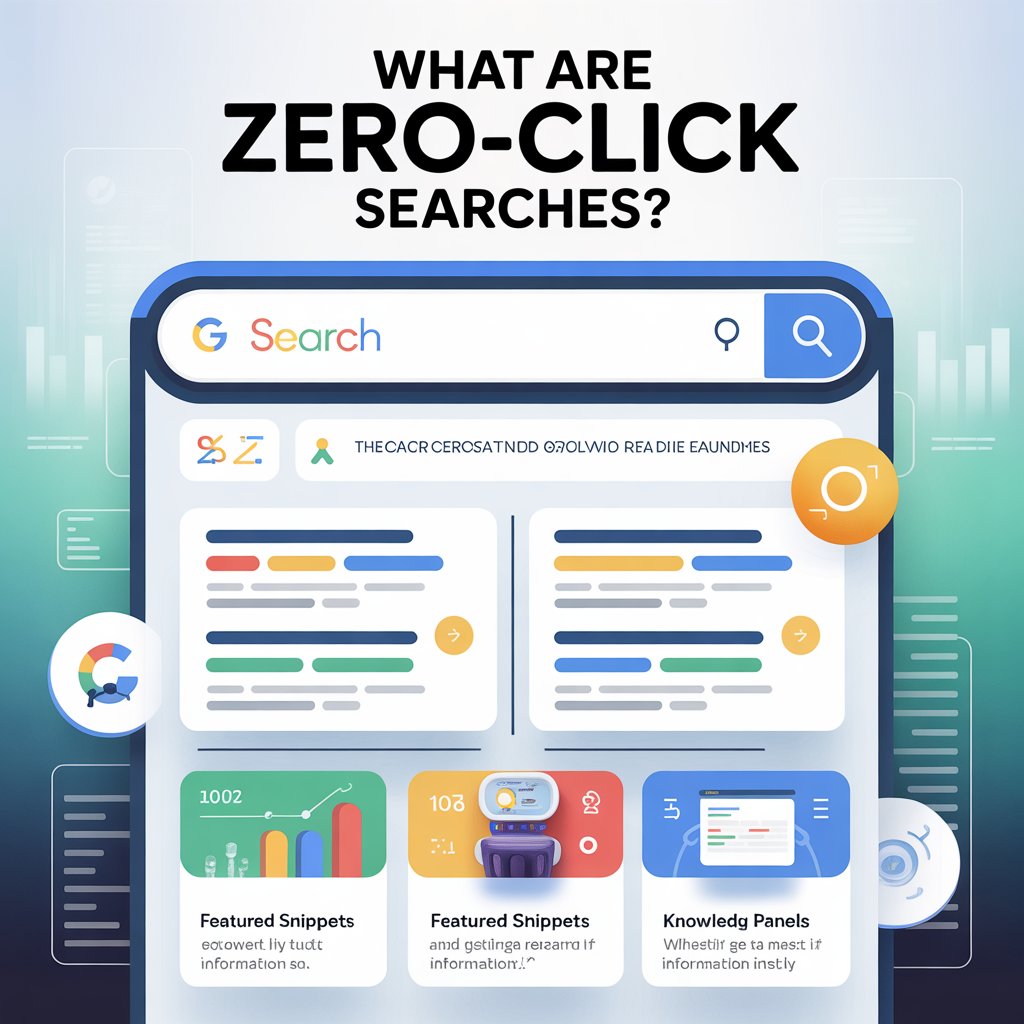
Zero-click searches are search queries where users find the answer directly on the search results page without clicking any website link.
Search engines like Google display quick answers through various SERP features, allowing users to access information instantly.
These results commonly appear through:
- Featured snippets
- Knowledge panels
- AI-generated summaries
- People Also Ask sections
- Local map packs
Because the answer is already visible, users often leave the search page without visiting a website.
Why Zero-Click Searches Are Increasing
Zero-click searches are growing rapidly due to advancements in search technology.
1. AI-Powered Search Results
AI-driven search experiences provide summarized answers pulled from multiple sources.
These summaries reduce the need for users to visit multiple websites.
2. Rich SERP Features
Modern search results include many interactive features, such as:
- Featured snippets
- Knowledge panels
- People Also Ask boxes
- Instant answers
These features enable users to access information more quickly. For further details, please try our free SERP Checker.
3. Voice Search and Smart Assistants
Voice assistants powered by platforms like Amazon and Google provide a single spoken answer, which naturally leads to zero-click interactions.
Types of Zero-Click Search Results
1. Featured Snippets
Featured snippets appear above the traditional search results and provide quick answers extracted from webpages.
Snippet formats include:
- Paragraph answers
- Numbered lists
- Tables
These results are often referred to as Position Zero in SEO.
2. Knowledge Panels
Knowledge panels provide quick information about companies, people, and topics.
For example, searching for Apple displays company details such as CEO, headquarters, and products.
3. AI Overviews
AI-generated summaries combine insights from multiple websites to provide a concise answer.
These results are becoming a major component of modern search engines.
4. People Also Ask (PAA)
The People Also Ask section displays related questions users frequently search for.
Users can expand each question to view answers directly on the results page.
5. Local Map Pack
Local search queries often display nearby businesses on a map.
For example, searching "digital marketing agency in Delhi" may show a map with ratings, directions, and contact information.
How Zero-Click Searches Impact SEO
Zero-click searches are changing the way businesses approach search engine optimization.
Instead of focusing only on website clicks, brands now aim for maximum visibility on search results pages.
Key SEO Impacts
- Reduced click-through rates. Users may find answers instantly without visiting websites.
- Increased brand visibility. Appearing in SERP features builds recognition and trust.
- Higher authority signals. Websites cited in snippets and AI results are often considered authoritative.
How Marcitors Helps Businesses Optimize for Zero-Click Searches
Leading digital marketing agency Marcitors focuses on strategies that help brands gain visibility directly on search engine results pages.
The team at Marcitors helps businesses:
- Optimize content for featured snippets
- Implement structured data and schema markup
- Create AI-friendly content formats
- Improve SERP feature visibility
By combining advanced SEO techniques with data-driven strategies, Marcitors helps businesses adapt to the evolving search landscape.
SEO Strategies to Rank in Zero-Click Results
1. Use Structured Data
Structured data helps search engines understand the context of content.
Popular schema types include:
- FAQ schema
- Article schema
- HowTo schema
These standards are upheld by Schema.org. Try our free schema markup generator.
2. Provide Direct Answers
Search engines prefer concise and clear answers.
Content should include 40–60-word explanations for common questions.
3. Use Structured Content Formats
Content formatted with:
- Bullet lists
- Numbered steps
- Tables
has a higher chance of appearing in snippets.
4. Target Question-Based Keywords
Queries beginning with:
- What
- How
- Why
- Best tools
Often trigger featured snippets and AI search summaries.
5. Build Topical Authority
Brands that publish consistent expert content are more likely to be cited in search results.
This includes:
- Thought leadership blogs
- Industry research
- Expert guides
Marcitors frequently publishes expert SEO insights to help businesses stay ahead in search rankings.
Snippet Optimization Tip (SEO Expert Strategy)
To increase your chances of winning Position Zero, place the snippet paragraph:
- Immediately below the H1 heading
- Within 40–60 words
- Using clear definitions
- Followed by bullets or lists
Example structure:
H1: What Are Zero-Click Searches?

Paragraph Definition (40–60 words)

Bullet explanation
The Future of Zero-Click SEO
Search engines are moving toward AI-driven information delivery, where answers are provided instantly.
In this environment, SEO success will depend on:
- Content structure
- Entity authority
- Structured data implementation
- AI visibility
Businesses that adapt to these changes will maintain a strong search presence even as user behavior evolves.
Conclusion
Zero-click searches are transforming how users interact with search engines. While they may reduce traditional website clicks, they create new opportunities for brands to gain visibility directly within search results.
By implementing structured data, optimizing for featured snippets, and creating AI-friendly content, businesses can benefit from this shift. Agencies like Marcitors help organizations navigate these changes and build SEO strategies designed for the future of search.